

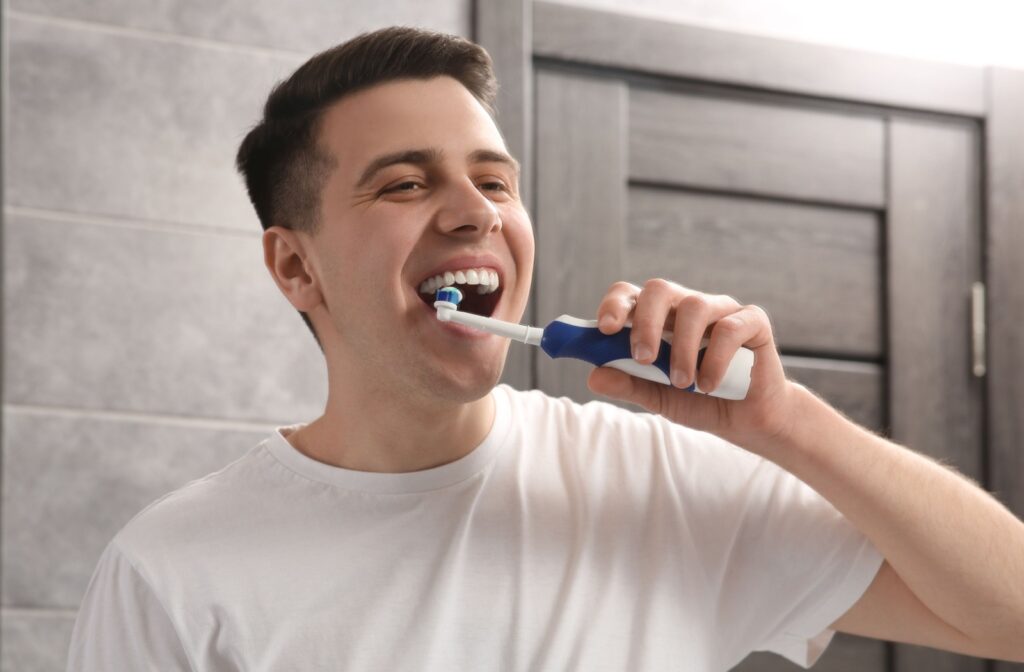
After wisdom teeth removal, you want to work towards a smooth recovery. A big part of this process is your overall oral hygiene. You can and should brush your teeth after the procedure, but it’s all about the right timing and a gentle touch.
You should wait 24 hours after your surgery before you start brushing again, and when you do, be extremely gentle around the surgical area. Following a few simple steps can help you feel comfortable and heal well.
The First 24 Hours After Your Procedure
The first day is the most important for your recovery. Your main goal is to protect the blood clot that forms in the empty tooth socket. This clot acts as a natural bandage and is the foundation for new tissue growth.
Protect The Blood Clot
To keep the blood clot in place, you should avoid certain actions for the first few days. A dislodged clot can lead to a painful condition called a dry socket, which delays your healing. Be mindful of your new oral care routine.
- Do not rinse your mouth vigorously.
- Do not use a drinking straw.
- Do not smoke or use tobacco products.
- Do not disturb the site with your tongue or fingers.
Control Bleeding & Swelling
It’s normal to have some oozing or light bleeding for up to 24 hours. Swelling in your face and jaw is also common and usually peaks two to three days after the procedure. You can manage these symptoms at home with a few simple techniques.
- Bite on a damp piece of gauze for about an hour after you leave the office.
- Replace the gauze every 20 to 45 minutes if bleeding continues.
- Keep your head elevated with pillows when you lie down to reduce bleeding.
- Use an ice pack on your jaw—20 minutes on, 20 minutes off—for the first day to help with swelling.
A Gentle Guide to Brushing Your Teeth
Knowing when and how to brush is simple once you understand the timeline of your healing process. Patience is key in the first couple of days.
Wait 24 Hours Before You Brush
Do not brush your teeth on the day of your surgery. It may feel strange to skip a brushing, but this pause gives your mouth the best start to heal. You should also avoid any type of mouthwash during this time unless instructed otherwise.
Brush Carefully The Next Day
You can resume brushing the day after your procedure. Be very gentle and careful to avoid the extraction sites. Your goal is to clean your teeth without causing any harm to the healing sockets.
- Use a toothbrush with soft bristles.
- Brush your teeth slowly with small, circular motions.
- Avoid the extraction site completely. Brush your other teeth as you normally would, but move gently as you get closer to the surgical area.
A Safe Way To Rinse Your Mouth
Spitting can create pressure that dislodges the blood clot protecting the extraction site. Instead of spitting out toothpaste and water, let it passively drain from your mouth. For rinsing, a saltwater solution is a gentle option to help keep the area clean.
- Let the water and toothpaste foam fall out of your mouth into the sink.
- For rinsing, mix 1/2 teaspoon of salt in 8 ounces of warm water.
- Take a small amount of the salt water into your mouth.
- Gently tilt your head from side to side to let the water move around.
- Lean over the sink and let the water drain out of your mouth without spitting.
Other Important Recovery Steps

Beyond brushing, your diet and activity level play a big role in how you recover. Following your dentist’s instructions will help you heal faster and more comfortably.
What to Eat & Drink
Stick to a soft food diet for the first week. This protects the surgical sites from irritation and prevents food from getting stuck in the sockets. Proper nutrition can also support your body’s healing process.
- Good choices include: Clear liquids, Jell-O, applesauce, yogurt, mashed potatoes, scrambled eggs, and milkshakes.
- What to avoid: Popcorn, nuts, seeds, and chips for at least two weeks. Also avoid hot liquids, alcohol, and carbonated drinks in the first few days.
Limit Your Physical Activity
Rest is important for a smooth recovery. Avoid any strenuous activity that raises your heart rate for the first five days. Overexertion can increase bleeding, swelling, and the risk of dislodging the blood clot.
Understand the Signs of a Dry Socket
A dry socket happens when the blood clot in the socket breaks down or is dislodged too early. This typically occurs between the third and fifth day after surgery. Knowing the symptoms can help you seek care if you need it.
What’s a Dry Socket?
When the protective blood clot that forms over the extraction is dislodged, the underlying bone and nerves are exposed to air and food particles. This exposure can cause discomfort and slow down the healing timeline. While not very common, it’s good to be aware of the signs.
Symptoms To Watch For
Contact your dental office if you experience symptoms of a dry socket. Here are a few things to look out for:
- Increased pain a few days after the procedure.
- Pain that radiates from the socket up toward your ear.
- A bad taste or smell coming from your mouth.
When to Contact Your Dentist
Most people recover from wisdom teeth removal without any issues. However, if you notice certain symptoms, it’s a good idea to get in touch with your dental office. Our team of dentists in Bradford and the surrounding area can help you with any concerns you may have.
Signs That Need Attention
Your healing journey should be a steady path toward feeling better each day. If you notice any of the following, please call your dental professional:
- Bleeding that doesn’t slow down after biting on gauze for 60 minutes.
- Pain that your medication doesn’t control.
- Swelling that gets worse after three days.
- A fever higher than 38.3 degrees Celsius (101 F).
- Persistent nausea or vomiting.
Taking care of yourself after wisdom teeth removal is straightforward when you follow these simple guidelines. A little bit of care and patience goes a long way toward a comfortable recovery. If you have any questions about your aftercare, our team at Hill Top Dental Centre is here to help your family feel at ease.